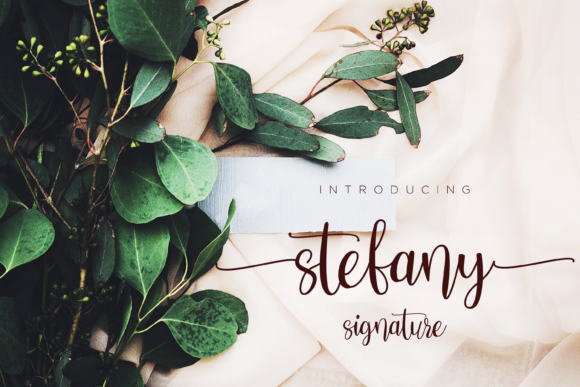
Stefany: A Handwritten Font for Crafters
As a maker who spends hours perfecting the curve of a vinyl cut or adjusting the kerning on a printable invitation, I know that the right typeface can make or break a product. We are not just selling items; we are selling feelings, aesthetics, and memories. This is why discovering Stefany felt like finding a missing piece in my design toolkit. Inspired by classic typography yet possessing a distinctively modern soul, this handwritten font brings a unique style to any design project. Whether you are creating web graphics, print materials, moving images, or physical goods, Stefany looks spectacular and feels authentic.
Why Stefany Works for Handmade Brands
In the world of Script Amp and premium Fonts, there is often a trade-off between elegance and readability. Many script fonts are so loopy they become illegible at small sizes, while others are too rigid to convey the warmth customers expect from handmade goods. Stefany strikes a delicate balance. It captures the organic flow of human handwriting but maintains the structural integrity needed for professional presentation. For small shop owners, this means your brand identity remains consistent whether it is stamped on a candle label or printed on a wedding welcome board.
The visual personality of Stefany is charming without being childish. It has a sophistication that elevates simple designs, making it an excellent choice for boutique packaging and high-end stationery. When customers see this typeface, they perceive quality. It suggests that care went into the creation process, mirroring the care you put into crafting the physical product itself.
Practical Applications for Physical Products
One of the strongest assets of Stefany is its versatility across different mediums. As a creator, I need fonts that perform well in both digital mockups and physical production. Here is how I integrate this typeface into my workflow:
- Product Labels and Packaging: For candle makers, soap artisans, and skincare brands, Stefany adds a touch of luxury. It works beautifully for product names on minimalist labels. The strokes are clean enough to remain legible even when printed on small, curved surfaces like jar lids or bottle necks.
- Wedding Stationery: Invitation designers will appreciate the romantic flair of this script. It is ideal for couple names on save-the-dates, menu cards, and place settings. The fluidity of the letters mimics traditional calligraphy, offering a high-end look without the steep learning curve of hand-lettering.
- Home Decor and Signs: If you use Cricut or Silhouette machines, Stefany is a reliable choice for vinyl decals and wooden signs. Farmhouse-style decor, nursery wall art, and seasonal porch signs benefit from its friendly yet polished appearance. It reads well from a distance, which is crucial for display pieces.
- Apparel and Tote Bags: When applying heat transfer vinyl (HTV) to shirts or tote bags, complex scripts can sometimes weed poorly. Stefany’s connected strokes are designed to be durable and easy to cut, reducing waste and frustration during production.
Readability and Design Tips
While Stefany is undeniably attractive, practical application requires attention to detail. Because it is a handwritten font, it is best suited for short phrases, titles, names, and decorative wording rather than long paragraphs of body text. Using it for headlines or key information ensures that the viewer’s eye is drawn to the most important elements of your design.
For those creating SVG-style designs or digital downloads, consider the spacing. Give Stefany room to breathe. Crowding the letters can obscure the beautiful ligatures and swashes that give the font its character. When designing for small stickers or business cards, test print at actual size. What looks readable on a large monitor may blur when shrunk down. Adjusting the tracking slightly can often improve clarity without losing the font’s inherent charm.
Perfecting Your Font Pairings
A great script font rarely stands alone. To create a balanced composition, you need a supporting typeface. Stefany pairs exceptionally well with clean, modern sans serif fonts. The contrast between the organic curves of the script and the geometric stability of a sans serif creates visual interest and hierarchy. For example, use Stefany for the main title of a printable planner page and a simple sans serif for the dates and instructions.
If you are aiming for a more traditional or editorial look, try pairing Stefany with a classic serif font. This combination works wonders for book covers, vintage-inspired posters, and elegant greeting cards. The serif adds authority and structure, while Stefany provides the emotional hook. Avoid pairing it with other overly decorative scripts, as this can lead to visual clutter and reduce the impact of your message.
Technical Features and Commercial Use
Before incorporating any new asset into your commercial workflow, it is essential to understand its technical capabilities. Stefany is inspired by classic typography and brings its own unique style to any design project. Whether it is for web, print, moving images, or anything else, this handwritten font will look spectacular. However, creators should always check the specific file formats included in the download. Look for OpenType features such as alternates, ligatures, and swashes. These tools allow you to customize the look of the font, ensuring that no two designs look exactly alike.
Multilingual support is another critical factor if you plan to sell internationally. Verify that the font includes the necessary glyphs for the languages your target audience speaks. This attention to detail expands your market reach and demonstrates professionalism.
Finally, always review the licensing agreement. Most premium fonts like Stefany come with commercial licenses that allow you to use them in physical products, templates, and digital downloads. However, rules regarding web embedding or logo design can vary. Understanding these boundaries protects your business and ensures you are respecting the work of the type designer. By using Stefany correctly, you enhance your brand identity, improve customer recognition, and create products that resonate emotionally with your audience. It is more than just a font; it is a tool for storytelling in every craft you create.